



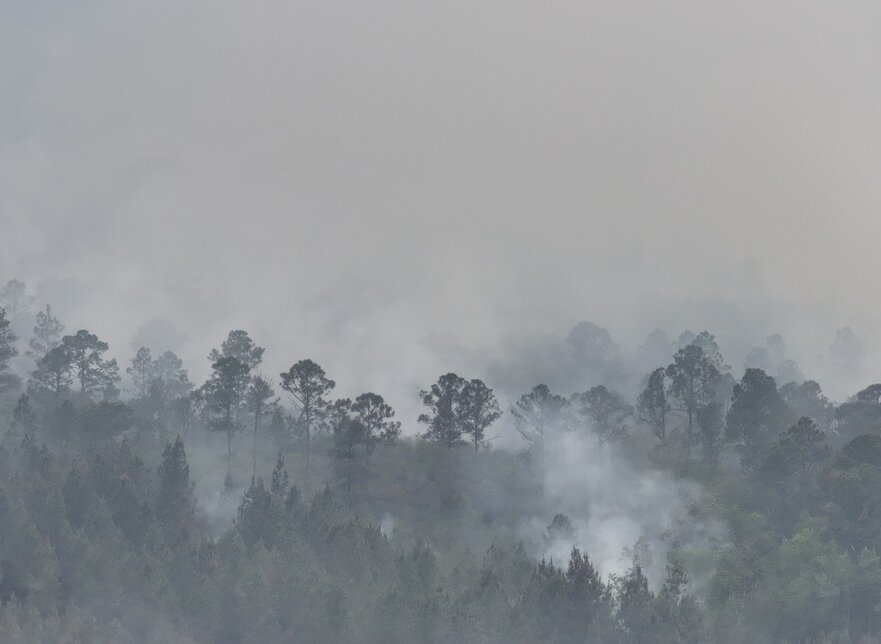
The Georgia Department of Public Health’s Southeast Health District is advising residents across Southeast Georgia to take precautions as smoke from multiple wildfires continues to impact air quality well beyond the immediate fire area.

Wildfire smoke can travel miles beyond the immediate fire area and may affect communities that are not in direct proximity to the flames. Exposure to smoke can cause eye and throat irritation, coughing, and difficulty breathing. It may also worsen conditions such as asthma, chronic obstructive pulmonary disease (COPD), and heart disease.
Residents are encouraged to stay informed and take steps to protect their health while smoke is present. Monitoring local conditions and adjusting daily activities can help reduce exposure.

The Southeast Health District offers the following guidance to reduce the health impacts of wildfire smoke:
• Stay indoors as much as possible when smoke levels are elevated.
• Keep windows and doors closed to prevent smoke from entering your home.
• Use air conditioning on recirculate mode if available and replace air filters regularly.
• Avoid outdoor exercise or strenuous activity when air quality is poor.
• Consider using a portable air purifier to improve indoor air quality.
Certain groups may be more vulnerable to the effects of wildfire smoke, including young children, older adults, pregnant women, and individuals with asthma, heart disease, or other respiratory conditions. Residents are encouraged to check on family members, neighbors, and others who may be at higher risk.
Wildfires can shift direction without much notice, especially during dry and windy conditions. Residents near the wildfire zone should be prepared to leave quickly if conditions change. Have a plan in place and keep a “go bag” ready with essentials such as medications, important documents, water, snacks, phone chargers, and basic supplies. Knowing your evacuation routes and having your vehicle fueled can help ensure you are able to leave safely and without delay if advised. If you need to evacuate, take pets with you and confirm ahead of time whether shelters or hotels accept animals. Livestock owners should also identify evacuation locations and transportation options in advance.
Residents can stay informed and access wildfire-related resources through:
• Local emergency management agencies
• Local fire response teams
• Georgia Forestry Commission
• National Weather Service
• AirNow.gov for local air quality information
• Ready.gov/wildfires for emergency preparedness guidance
• FEMA App and Red Cross Emergency App for alerts and shelter information
• Watch Duty App for updates on fire activity and safety information
Taking steps to reduce smoke exposure can help protect your health during wildfires and ensure you are prepared as conditions change.